
Research Works
- Computational Oncology and Drug Delivery

Computational oncology as an integrative discipline incorporates computational fluid dynamics (CFD) knowledge to further the understanding of the cancer environment non-invasively. In this regard, we at Biofluids Research Lab are developing an open-source computational graphical user interface (GUI) to predict the hydraulic environment, drug transport (irrespective of any treatment and drug administration mode) in the heterogeneous tumor microenvironment, and the associated cancer healing. Additionally, to make patient-specific predictions, the computational models are reinforced with real-time medical imaging data (Dynamic Magnetic Resonance Imaging (MRI)) that help the oncologists use these tools to improve prognosis, survival, and patient quality of life. This helps the oncologists to optimize their surgical planning beforehand.

Till now the GUI has been used to predict the transport of intravenously administered contrast agents (Access Link), free chemotherapeutic drugs (Access Link), Liposome encapsulated drugs (Access Link1, Access Link2), and thermosensitive liposomes (Access Link) routinely used for the treatment of human brain tumours. In addition to systemic administration, the GUI is also capable to simulate convection enhanced drug delivery mode (Access Link) and radiofrequency ablation (Access Link) in glioblastomas.
Softwares used: OpenFOAM, MATLAB.
- Retinal Hemodynamics: In Vitro Investigation
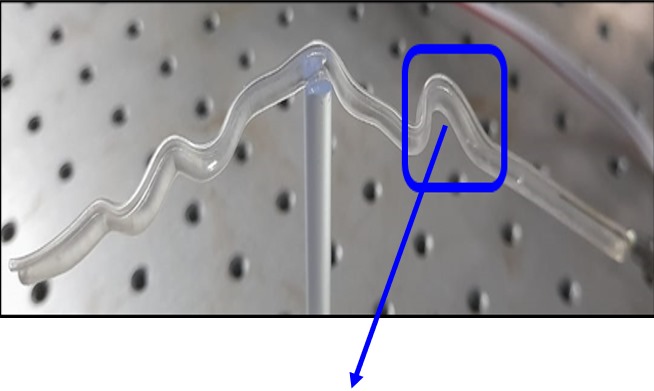
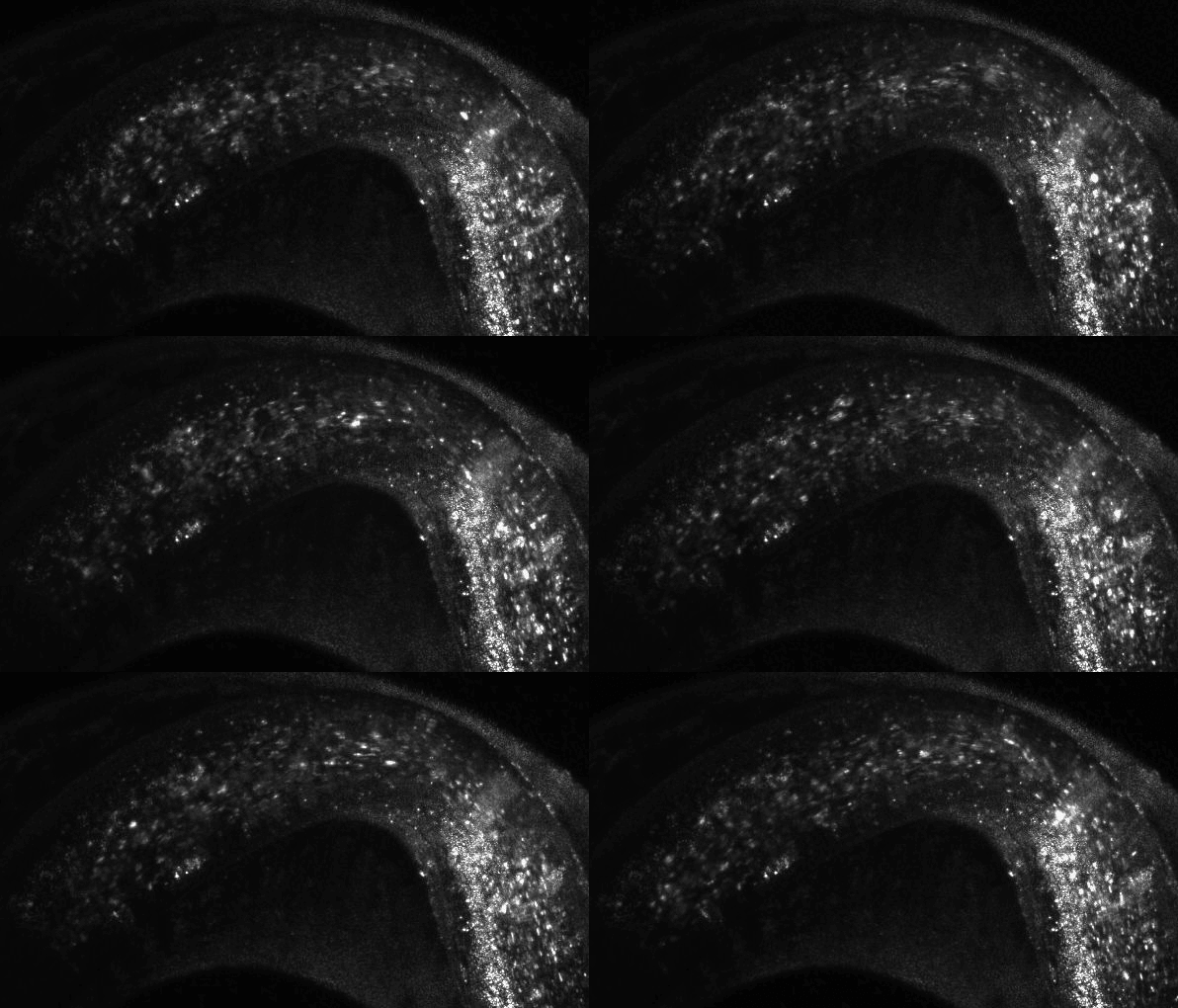
Arterial tortuosity is one of the noticeable features of the diabetic artery. Significant changes in the flow patterns occur at the artery's tortuous region, making these regions susceptible to different vascular damages. We at Biofluids Research Lab are investigating the effect of tortuosity variations on hemodynamics through particle streak velocimetry (PSV) experiments.
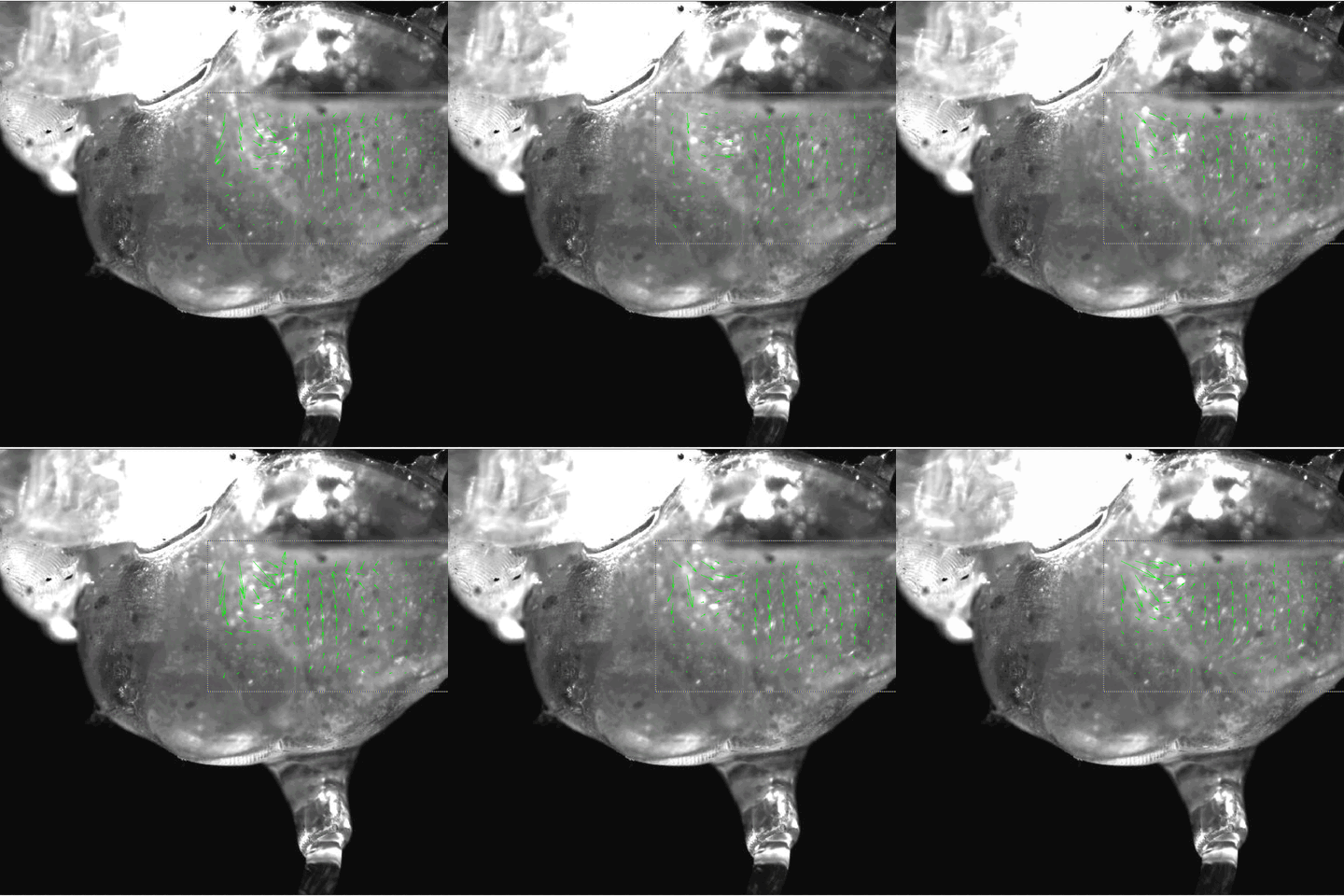
Since low-wall shear stress (WSS) is a well-accepted hemodynamic parameter for atherosclerosis, the WSS is correlated with the tortuosity index, which can be considered a geometrical marker for identifying low shear zones Access Link
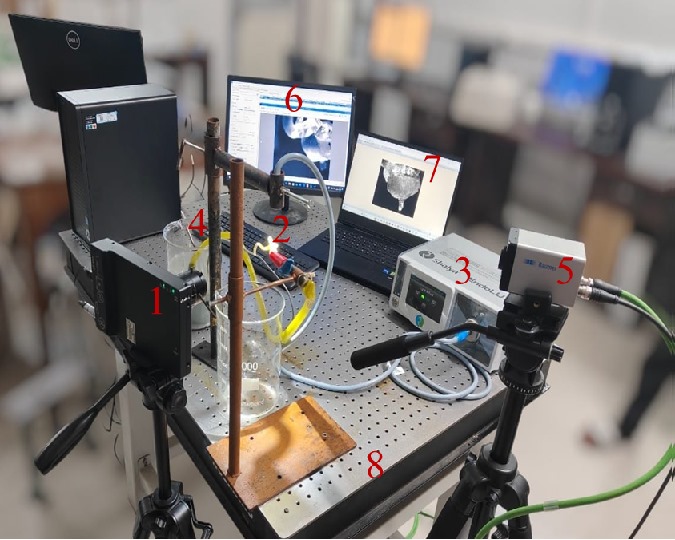
Equipments name in figure
- 1. High-speed camera 1
- 2. Ophthalmic artery
- 3. Cool white light source
- 4. Pump
- 5. High-speed camera 2
- 6. Desktop 1
- 7. Desktop 2
- 8. Experimental Table
- Multiscale modeling of hemodynamics and biomechanics in human retina
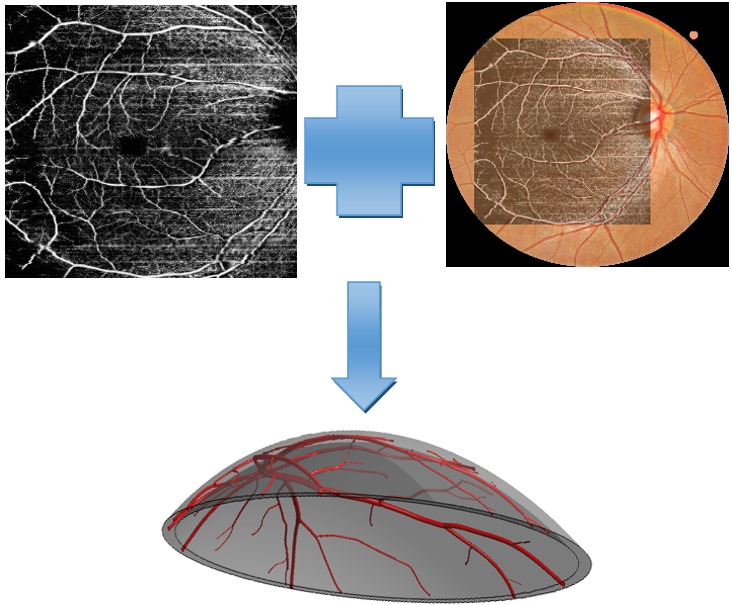
The retina is an integral part of the posterior human eye and is susceptible to many diseases, such as diabetes and hypertension. Different alterations in the retina's vascular architecture occur due to these diseases that change the retina's blood flow and oxygen transport. To this end, we at Biofluids Research Lab are investigating how these alterations in the vascular topology lead to changes in the retinal hemodynamic and biomechanics behavior. To accomplish this, the patient-specific geometries of detailed retinal microvasculature are extracted from Fundus and Optical coherence tomography angiography (OCTA) imaging. Detailed 3D CFD and Fluid-structure interaction (FSI) simulations of healthy and diabetic retinal blood vessels (both artery and veins) are carried out, which result in the identification of abnormalities regions, such as vascular damage and atherosclerosis spotted, to help ophthalmologists find potential areas for the formation of microaneurysms Access Link
Softwares used: Inventor, Ansys Fluent, Static Structural.
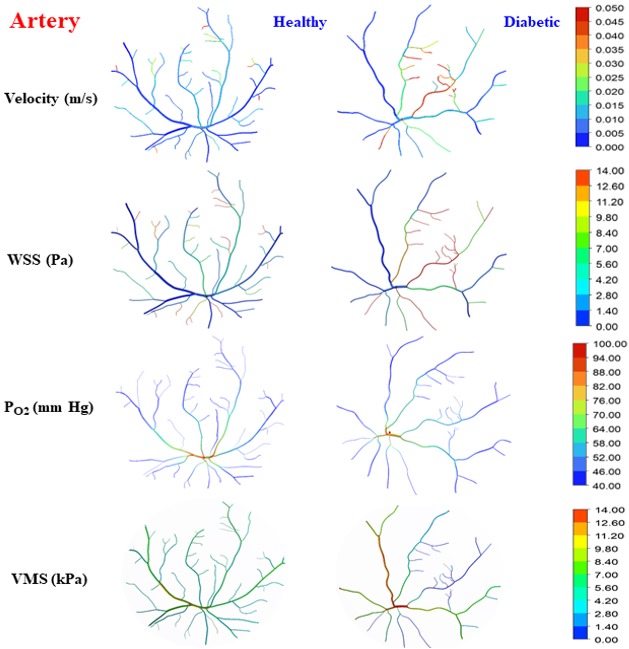
Results for Artery
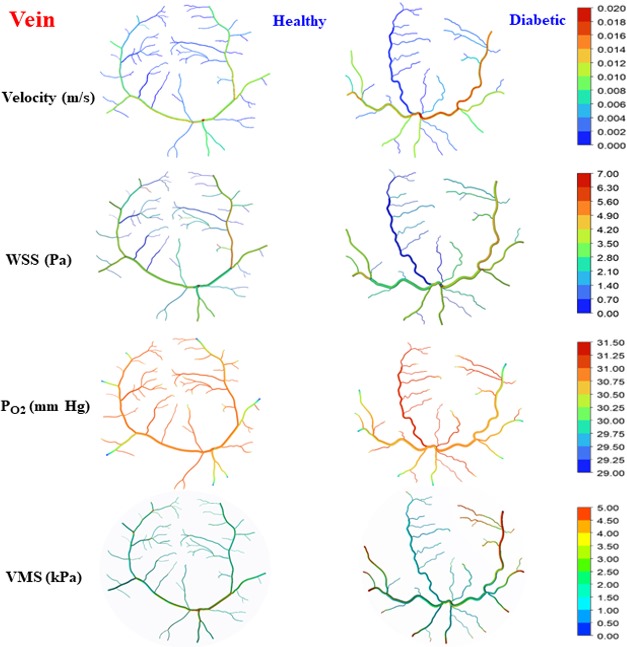
Results for Vein
- Targeted drug delivery inside the human nasal cavity
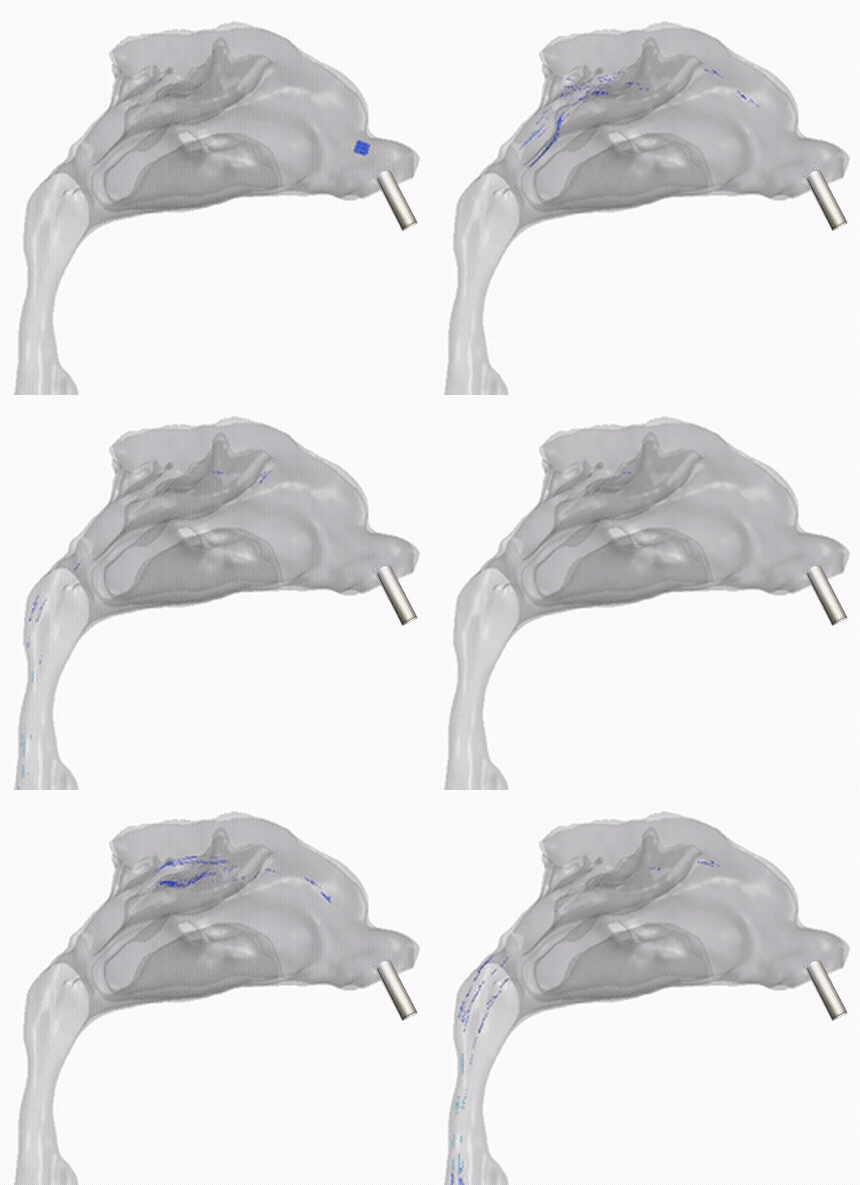
The transport of the drug to the affected regions in the nasal cavity is challenging due to its intricate anatomical structure. The deposition mechanisms for smaller particles are attributed to diffusion. On the contrary, inertial impaction dominates larger ones Access Link. Many parameters affect the drug trajectory, including patient-specificity, administration technique, device type, and atomization techniques
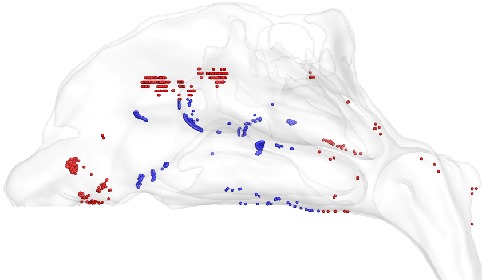
In the Biofluids Research Lab, we are trying to achieve some optimum parameters for improving the patient-specific targeted drug delivery by conducting detailed computational fluid and particle dynamics investigations on different nasal anatomies.
Softwares used: 3D Slicer, Ansys ICEM-CFD, Ansys Fluent.
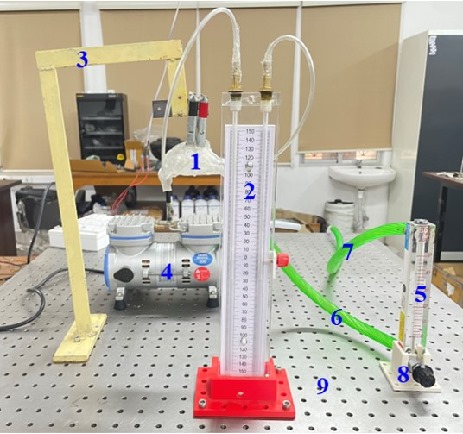
Equipments name in figure
- 3D printed Nasal cavity
- Differential U-tube manometer
- Stand for holding the Nasal cavity
- Vaccum pump
- Flow meter
- Pipe connecting from the end of the nasopharynx to the inlet of the flow meter
- Pipe connecting from the exit of the flow meter to the vacuum pump
- Flow control valve attached to the flow meter
- Experimental table
- Enhancement of the septoplasty's success rate by heat and mass transfer analysis
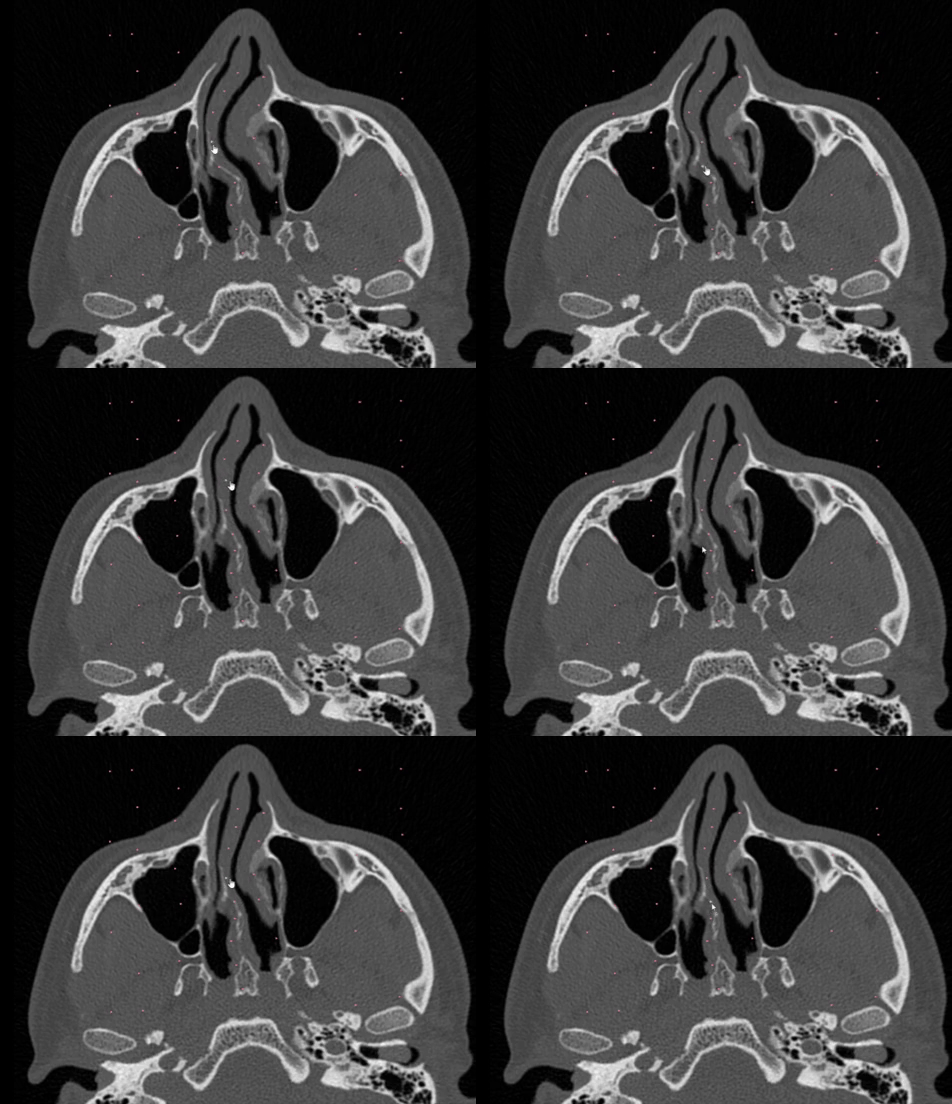
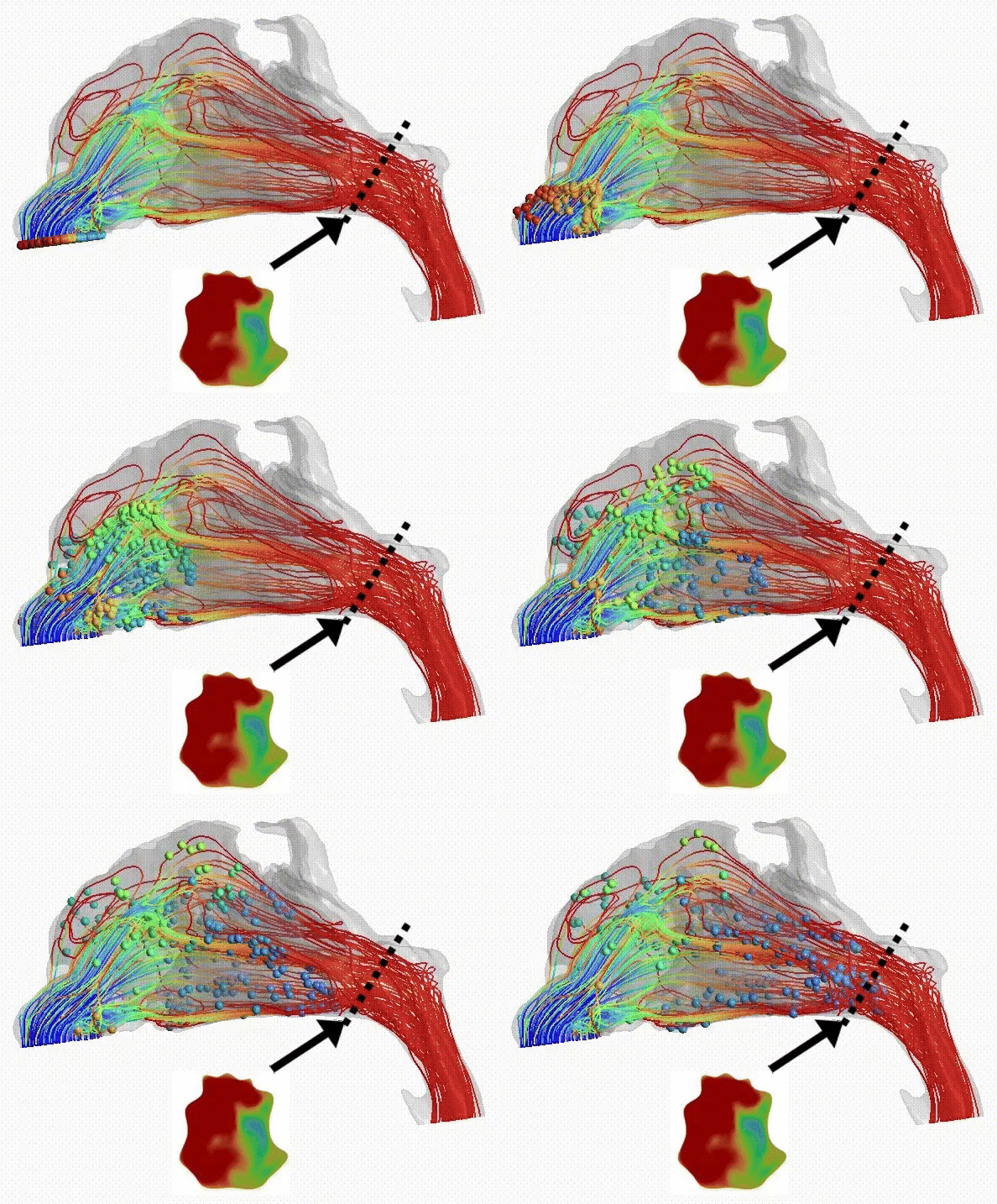
The deviated nasal septum, a condition characterized by the displacement of the nasal septum, often results in partial blockage of the nasal cavity. Septoplasty, a commonly performed surgical intervention, aims to correct this deviation. However, its success rates have been reported as low as 50%. Patient selection plays a crucial role in enhancing the efficacy of septoplasty. When the patient undergoes septal surgery, the airflow patterns, heat, and mass transfer alter. At Biofluids Research Lab, we are exploring these alterations using computational fluid dynamics (CFD) and virtual surgery techniques to develop criteria for selecting potential septoplasty patients and the effectiveness of the septoplasty (Access Link).
Softwares used: 3D Slicer, Ansys ICEM-CFD, Ansys Fluent.
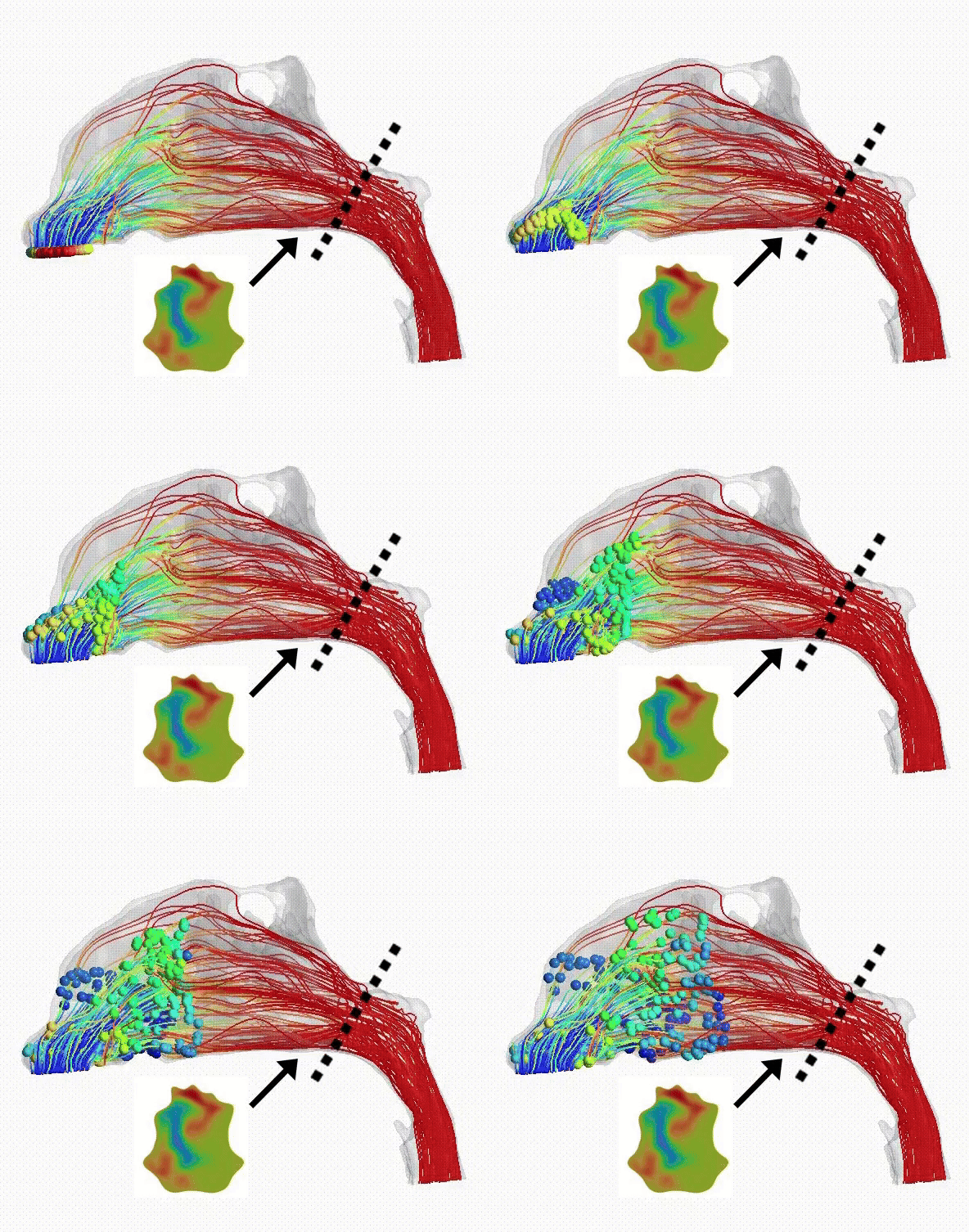
Deviated
Corrected
- Ocular Biomechanics: New way to insert intravitreal injections
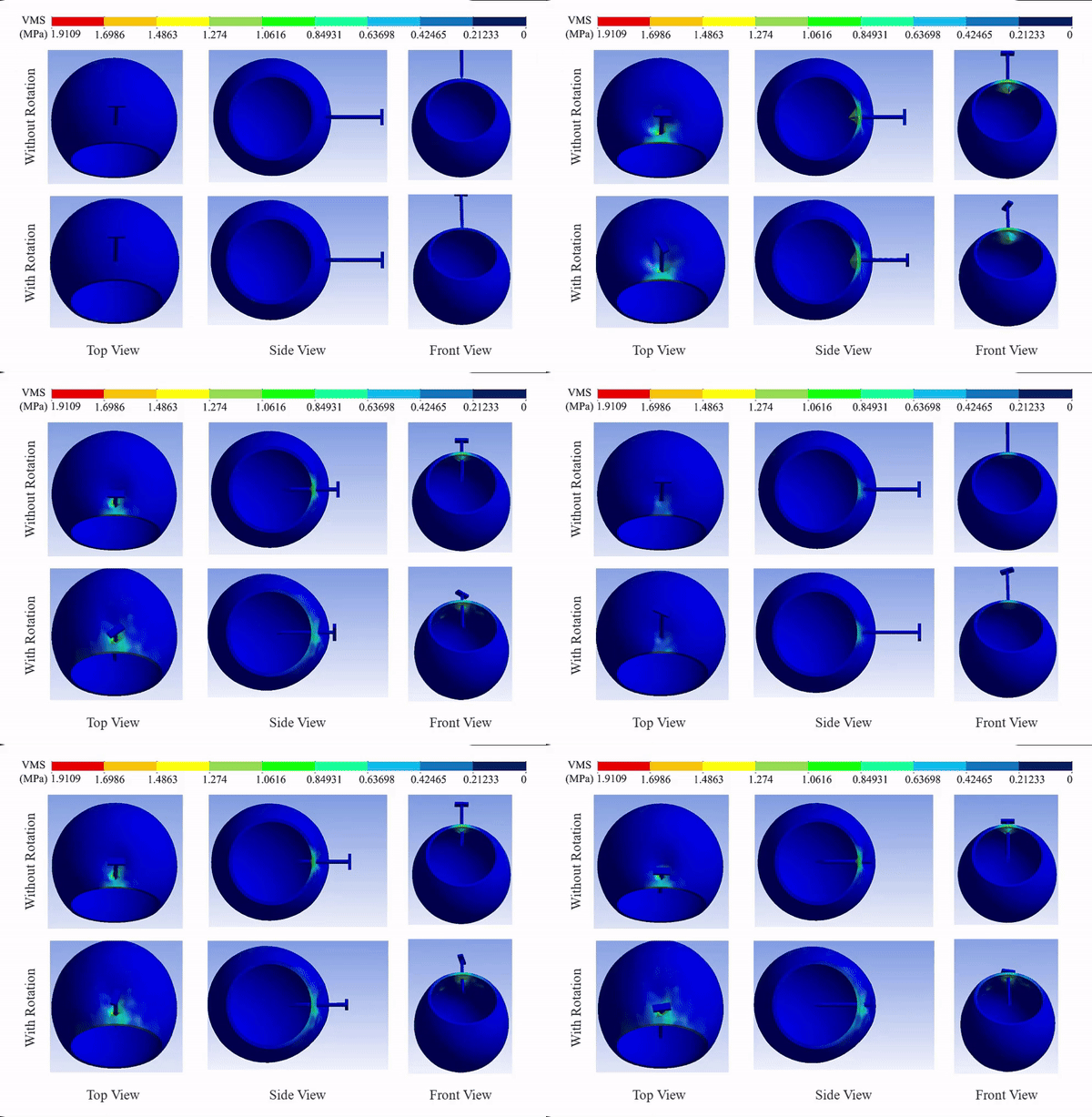
Intravitreal (IVT) injections provide several advantages in treating posterior segment eye diseases; however, several associated challenges remain, including the insertion strategy of IVT injections inside the human sclera. We at Biofluids Research Lab are investigating the effect of twisting IVT needles on the biomechanics of posterior ocular tissue. In addition, we are also interested in optimizing IVT needle parameters such as insertion location, speed, angle, size, and shape to minimize the pain induced by patients undergoing ocular surgeries. Access Link
Softwares used: 3D Slicer, Ansys ICEM-CFD, Ansys structural.
- Office:Room-225 B, Mechanical Department, IIT(ISM) Dhanbad
- Phone:+91-326-223-5347 (Office)
- Email: